Ad

Featured Post

My FREE Pain Tracking Journal Pages Printable Download

I like to think I’m experienced with tracking my pain using various methods, but wanted something ready made for me to use that fit with my ...

Sunday, September 29, 2024

Taming The To Do List Monster: Goal Setting With Chronic Pain

Living with a chronic illness often feels like a never-ending battle against your own body. When you suffer from chronic fatigue, ongoing pain, and brain fog, they can make even the simplest tasks feel overwhelming, and even impossible, as well as make things like multitasking extremely difficult. My ability to multitask effectively disappeared years ago, and last year's breakdown pretty much destroyed any chances of me multitasking anytime soon. I have learned that when it comes to setting and achieving goals, breaking them down into small, manageable tasks and focusing on one task at a time increases my chances of successfully achieving those goals. It’s taken me a long time to learn how to break my goals down into smaller tasks and to find a system that works best for me, and it is something I will always need to actively work at.


The truth is, setting and achieving goals is possible, even with chronic pain. It just requires a different approach. One that acknowledges the limitations of your chronic pain, while still allowing you to move forward in a way that feels manageable and empowering. It’s hard to feel useful when you are restricted physically and mentally, so learning how to break your goals down into smaller tasks is an important skill that doesn't just boost your productivity, it boosts your self esteem and confidence. It’s also very satisfying to cross things off your to do list. 


There are also many mental health benefits of breaking your goals down into smaller tasks. This is so that they are realistic and attainable and it doesn’t feel like such a big job. It also:

  • Increases your likelihood of success. Breaking goals into smaller, manageable tasks makes them seem less daunting and increases the likelihood of achieving them. This is especially important if you are like me and can’t be on your feet for very long. By breaking things down into smaller tasks, I can chip away at them throughout the day.


  • It can improve your focus and concentration. Focusing on one small task at a time can improve concentration and reduce the likelihood of becoming overwhelmed. I use a focus timer app and when I am focusing on a task, I am getting into the habit of writing down what is distracting me so I don’t forget, and then I get back to focusing on my task.  


  • It increases your motivation. Completing smaller tasks provides a sense of accomplishment and progress, boosting motivation and encouraging further effort. This is certainly true if you have self esteem issues. By crossing things off your lists, and reaching your goals, you create a positive cycle that naturally encourages more of the same thing - more task completion, reaching your goals, and even setting new goals.


  • You gain increased flexibility. Breaking down goals allows for greater flexibility in adapting to changing circumstances or health conditions. Chronic pain is what it is, and in my case it’s not going to go away, so I have to work with what I got. By being flexible and adapting to things as they arise, while still working towards your goals, you are creating a positive result.


  • It reduces stress and anxiety.  By focusing on smaller, more manageable steps, individuals can experience reduced stress and anxiety associated with large goals. I find this especially true. When I break down a goal into smaller tasks, it can seem like a lot, so I like to pick 3 tasks off that list that I commit to that day, and work on those. I can always do more if I am able, but I usually stick with 3 as I have to be careful not to overdo it. 


Chronic pain and some of my medications significantly impact my cognitive function. It goes beyond some Brain Fog for me. My thought processes and focus is constantly being interrupted and overwhelmed with multiple, simultaneous, and severely distressing pain signals that are assaulting my brain continuously, so it takes all my focus and concentration to block that out, so that I can focus on what I am doing. It is challenging, and severely impacts my quality of life. Over the years I have learned that:

  • When you have chronic pain, it makes it really difficult to concentrate. With pain signals constantly bombarding the brain, it makes it hard to focus on anything else. As my pain goes up and down, so too does my ability to concentrate. Anything the least bit distracting, and I go way off course, and have to remind myself to refocus. Or I’m unaware of what is going on around me because all my focus is on the task. I say that the house could literally burn down around me and I wouldn’t notice if I’m really focused. 


  • I suffer from a terrible memory and my brain freezes when I’m asked a question, as my memory can be quite fractured and all over the place. It causes me to remember things in pieces, and not necessarily in chronological order. This is because chronic pain can disrupt the hippocampus, a brain region crucial for memory formation, and being that my brain is always busy dealing with pain signals, I can’t really truly focus, as the pain is too big of a distraction. It means I struggle to remember what I’m saying, what others are saying, what I’ve just read, what I’ve just written, what I’ve just watched on TV. Everything that goes on around me in the day, I’m not able to retain much of it. It’s actually quite embarrassing and makes me feel like I don’t  have a brain. 


  • It also impairs my working towards my goal to be more organized. Pain can interfere with the prefrontal cortex, the area responsible for decision-making and planning. Being organized is something that I’m learning again. It is a skill that does not come naturally to me anymore and I get confused and overwhelmed when there are things that take multiple steps to complete. My mom helps me A LOT by helping me stay organized. 


Does any of this sound familiar? These cognitive challenges are strikingly similar to those experienced by people with ADHD. I often compare my brain to an ADHD brain. Both groups often struggle with:

  • Executive dysfunction which results in difficulty with planning, organization, and task initiation.


  • Effective time management. I have problems with organizing my time - estimating time, prioritizing tasks, and meeting deadlines, despite my best efforts otherwise.


  • When you are dealing with chronic pain 24/7, it increases your sensitivity to stress and frustration. Your body is in distress, and it puts emotional stress at a level that you can’t not be distressed. This means that things that would not normally be stressful, can be very stressful, and little things can cause great upset.


So, how can you achieve your goals when your brain feels like it's working against you? I have to focus so hard on the task I am doing, that I literally block everything out that’s going on around me. My brain cannot do those two things at once. If I need to be thinking, I need silence. I can’t have the TV or music playing because my brain gets jumbled when it has to process two different things simultaneously. Especially competing sounds. To achieve my goals, I created a simple system of breaking down my goals into microtasks, literally writing each step down. I can only stand for about 5 minutes before my back and legs become so painful I need to sit, so I really do need to have my tasks broken down into 5 minute chunks. The key I have learned is to break down large goals into smaller, more manageable goals that are achieved a little at a time. All those microtasks add up and before you know it, you’ve accomplished your first goal. Here's how:

  1. I started small. Instead of tackling a huge project, I like to focus on one tiny step at a time. Want to write a book? Start with writing one paragraph a day. Or, start a journal so that you can write your story in smaller, more attainable chunks.


  1. Learn how to prioritize effectively. Identify the most important tasks and let go of the rest. It's okay to say "no" to things that drain your energy. One of my favourite quotes is something my mom started saying to me after I fell, and that is “Rome was not built in a day”. So true!


  1. I like to make organizing in my calendars, lists and journals bright and colourful. I like having my lists, calendars, and mind maps, which help me stay organized and help me track my progress.


  1. It helps me with my flexibility, and taking in what is now, and not what was, or what could be. Your health can fluctuate, so be prepared to adjust your plans as needed. Don't beat yourself up if you have a setback. Just get back on track and keep going. If you are being hard on yourself, sometimes it’s helpful to rate the severity of the setback. It might not be as big of a deal as you think. 


  1. I celebrate and reward my wins. By Acknowledging and celebrating every accomplishment, no matter how small, it helps build momentum and motivation and increases your confidence, skill and self esteem.


Some tools and techniques I find useful are:

  • The Pomodoro Technique: Work in short bursts with frequent breaks to avoid burnout. I use an app for this. 


  • Timeboxing or Scheduling: Allocate specific time slots for different tasks to improve focus and productivity. Don’t forget to also schedule in self care activities. 


  • Practicing meditation and mindfulness: Practice mindfulness to reduce stress and improve concentration. I use a couple different meditation apps for this purpose. 

Other tools and techniques that people with chronic pain can use to manage their goals include:

  • Mind mapping: Visually organize thoughts and ideas to break down complex goals and see connections between tasks. I am very curious about mind mapping and if it can help me improve my level of organization. 


  • Habit tracking: Build positive routines and track progress towards goals, fostering a sense of accomplishment. I use the app Fabulous, and a simple app for keeping a to do list, for habit and routine building and tracking.


  • Support groups or accountability partners: Share experiences, gain encouragement, and stay motivated with others who understand the challenges of chronic pain. My mom is my accountability partner and support person who helps me stay organized and accountable.


  • Assistive technologies: Utilize tools, apps and devices that can aid in task completion and reduce physical strain.


Remember, you are not alone. Millions of people are navigating life with chronic pain and other chronic illnesses. By breaking down your goals and using strategies that work for you, you can achieve amazing things, even on your toughest days. It may take time and effort to develop a system that works best for you, but the rewards in terms of productivity, self-esteem, and overall well-being are significant. Don't be afraid to experiment with different approaches and seek support from others when needed. With patience, perseverance, and the right strategies, you can overcome the challenges of chronic pain and achieve your goals, no matter how big or small. Embrace the journey, celebrate your progress, and remember that every step forward, no matter how small, is a victory.


#meredithhutton79, #chronicpain, #complexpain, #invisibledisability, #ComplexRegionalPainSyndrome, #CRPS,

#depression, #anxiety, #PostTraumaticStressDisorder, #PTSD, #selfcare, #painwarrior, #spoontheory, #spoonie,

#pain, #back pain, #neuropathicpain, #painmanagement, #SuicideDisease, #GalianoIsland, #Galiano, #todolist,

#Goals

Wednesday, September 25, 2024

Soul Therapy Self Love Edition: Your Guided Journey To Self Love

In a world that constantly demands our attention and energy, it's easy to forget to nurture the most important relationship we have – the one with ourselves. With the amount of daily stimuli that we have no control over bombarding and overwhelming our brains, it’s important to do something that is restorative for your physical and mental health and overall wellbeing. I find I benefit more if it is a mindful and meditative activity that gets me into a relaxed state of body and mind, but it doesn’t have to be. Something to help me recharge and refresh my system, so that I can be at my best. The first Soul Therapy guided journal was that thing for me. It was my first ever guided journal, and I felt I really benefited from the journaling practice I created by setting aside some time to write every day. I just started "Soul Therapy Self Love Edition" as my next journal to write in. Soul Therapy Self Love Edition is like an old friend who invites you on a journey to discover and find yourself. It aims to help you discover yourself while you heal and find self love. The author does this while keeping true to the original format of Soul Therapy. 


This beautifully crafted guided journal, written by popular author, therapist, coach and mindfulness advocate, Jacqueline Kademian, is designed to gently guide you through a series of introspective prompts, affirmations, and exercises that all work towards improving your overall mental wellbeing and self esteem. For me, Soul Therapy came at a critical time last year during my mental breakdown. The time I carved out of my day to journal was, some days, the only peace I felt. Soul Therapy truly helped my soul by answering the guided prompts that are geared towards self-discovery and reflection, allowing me to process my emotions and rediscover my inner strength. By carving out dedicated time for writing from the journaling prompts as well as daily self-reflection, I gained important insights into my thoughts, emotions, and aspirations, paving the way for a more authentic and fulfilling life. It kept me from falling off the edge and going down a rabbit hole I might not crawl out of. It helped me bring focus to my long time dreams and aspirations, and finally get serious about what my message is as an artist, creating my lifestyle company, meredithhutton79, and becoming a writer, blogger and pain advocate. My journaling also inspired me to create and make “Galia-Notes”, a new product line of journals, planners, and stickers. I’ve also started to put my art on useful items like mousepads, toiletries and tote bags, as well as housewares like pillow covers. I am even doing doggy bandanas and car coasters. My “chronic life, chronic lifestyle” motto represents both my chronic pain and my chronic use of cannabis to combat that pain, and I have some really exciting things planned in the works that I think people are going to like.

Working through and completing Soul Therapy and journaling overall has made a big difference in my mental health. It helped me create a lasting journaling habit and I learned some things about myself I wasn’t expecting to learn. I don’t know if I would have made it through last year if I didn’t find journaling. I’m not sure what I would have done with the mass of emotions that were felt if I didn’t have journaling. I sat with this the other day, and I thought long and hard about what I learned. Below are a few of the things I took away from my experience journaling in this journal:

  • Cultivate Self-Compassion: I learned to embrace my imperfections and I began working on treating myself with the same kindness I extend to others. I learned to celebrate my quirks and what I call my "isms" and that I too am worthy of the love and compassion I show others. This has been one of the harder lessons to learn, and something that I think I’m always going to have to work on. Last year I got in the habit of telling myself daily in the mirror that I am worthy of the same compassion, kindness and support I show others. I had a fun coloured sticky note with the message written on it, and I’d change up the sticky note type and colour on a regular basis. I even decorated some. I learned it is true what they say, if you say something enough times, you begin to believe it. I've been working really hard on my self esteem and self love and it's paying off as I'm beginning to believe in myself again and my abilities as a person. When you have chronic pain, and it limits you as much as it does me, you start to lose your confidence, and begin thinking of yourself as a burden to your loved ones. It’s sometimes hard not to compare yourself to your old self, and I think “what value do I bring to this world despite all I cannot do?”. As a disabled person, these thoughts of feeling less than others, and the guilt and shame can be hard to shake as we are so often dependent on other people to make it through the day. Hell, to make it through life. So this realization and feeling is a huge step for me and one that I am really proud of. I’ve worked hard and I’m beginning to feel like I’m making real progress.


  • Release Negative Patterns: To identify and challenge my self-limiting beliefs that hinder my personal growth and negatively impacts my happiness. Challenging and reframing those beliefs, called cognitive distortions, is what I’ve been doing in my journals and workbooks, CBT apps Clearful and Clarity, and my healthy habits and routines app Fabulous. I work in them daily. I have a few other mental health and exercise apps that I carve out some time each day to use that work towards my bigger goals. These apps prompt me to read the day's readings, do the day's tasks, as well as a guided fitness video, and I write about my experiences with those activities in these apps, summarizing my process. These apps all provide summaries of your progress too, so you can really see where you need work, and where to congratulate yourself on a job well done. Now I am happy to say that I can incorporate writing in Soul Therapy Self Love Edition into this routine. These daily routines working in my apps and journals compliment and go nicely with each other. One builds on the other and they allow me to delve deeper into my mind. Journaling and working in my CBT/Habit apps are the two things I think I’ve benefited most from, and the two things that kept me from going off the ledge last year. I will always remember how I found myself expanding my journaling practice when I found a mother-daughter journal to do together with my daughter, and that story will be held close to my heart for the rest of my days. 


  • Set Empowering Intentions: Last year I began to really think about and define my goals and I created a plan for manifesting my dreams into reality. I have wanted to write a book about my chronic pain for years, but the job seemed too big and I really didn't know where to start. I thought the only way to share my story was to write a book, and it was that narrow minded thinking that prevented me from writing out my story in a different format. A more forgiving format, and something that won’t take me years to finish. Starting a blog and social media presence with respect to my chronic pain journey has exceeded any expectations I ever had. It has been really great so far. Writing my story in chunks, with no real order to them, with my very personal thoughts, has proven to be the best method for me. It's why I think I click so strongly with blogging, as each post is an opportunity to tell a short story. I have created a morning routine that has me check in, do a few guided exercises, begin to focus, and plan out my day’s goals and tasks, including the planning of any blog posts I’m in the midst of writing. This also includes carving out time every day to write and edit my blog posts, as well as do chores around the house. I pace myself doing a little of each at a time and I peck away at these things during the day. For example, I like to do 3 chores, name 3 things I’m grateful for, and list 3 personal accomplishments, every day. In doing those, I have created positive daily intentions for myself that are easy and quick to do, even on the busiest of days.


  • Practice Gratitude: Shift your focus to the abundance in your life, fostering a deep sense of contentment and joy. My gratitude practice is very important to me. It was the first CBT exercise I ever did when I was introduced to Cognitive Behavioral Therapy (CBT) and started going to therapy over 10 years ago. I have a soft spot for my gratitude practice and one day I hope that one day I’ll carve out some time and I’ll get to read some of them from past years. When I started my gratitude practice, I had no idea just how transforming it would be. It’s the basis of my personal growth and I have learned how valuable starting and keeping a gratitude practice is for your mental health. It helped rewire my brain to see the positives in my life more clearly, and I use my gratitude practice as a reminder that we don’t know what tomorrow holds, so let’s not hold ourselves back today.


  • Prioritize Self-Care: Last year I learned of the importance of self care when I began to experiment with daily rituals, routines and practices that nourish my mind, body, and soul. I was desperate and craving quiet activities that benefitted my mental health. I needed the activity to be quiet and calming, and something that I could do mindlessly, until my intrusive thoughts lessen and my mind calm enough to do a more in depth activity. This is probably one of the most important lessons you could ever learn and certainly the most important lesson I feel I learned. If I don’t look after myself, how am I supposed to live up to my commitments and be there for my family and friends. I learned that it’s not selfish to prioritize self care, it’s vital to my overall emotional wellbeing, and I place a lot of importance on the little things that I can do that come together to make up my self care routine. Showing these acts of self care to myself is an act of kindness to myself that tells me that I place importance on, and think I’m worthy of, prioritizing my self care. It’s something I now schedule into my days at designated times, just as if I would a chore or a task on my to do list. 

Jacqueline Kademia is a passionate advocate for mental wellness and the transformative power of journaling. Her brand, Soul Therapy, by Positive Soul, offers a carefully chosen collection of thoughtfully designed journals that cater to various aspects of personal growth and mental well-being. With a focus on mindfulness, self-discovery, and empowerment, Soul Therapy guided journals provided me a safe and supportive space for me to explore my inner world and cultivate a deeper connection with myself.

I look forward to working in this journal and sharing some of my more meaningful journal entries applicable to chronic illnesses and pain.

To purchase your own copy of Soul Therapy, click here: https://amzn.to/3MZ3wZn

To purchase your own copy of Soul Therapy Self Love Edition, click here: https://amzn.to/3BccvUn


#meredithhutton79, #chronicpain, #complexpain, #invisibledisability, #ComplexRegionalPainSyndrome, #CRPS, #depression, #anxiety, #PostTraumaticStressDisorder, #PTSD, #selfcare, #painwarrior, #spoontheory, #spoonie, #pain, #back pain, #neuropathicpain, #painmanagement, #SuicideDisease, #GalianoIsland, #Galiano, #SoulTherapy, #Journaling, #Selflove

Saturday, September 21, 2024

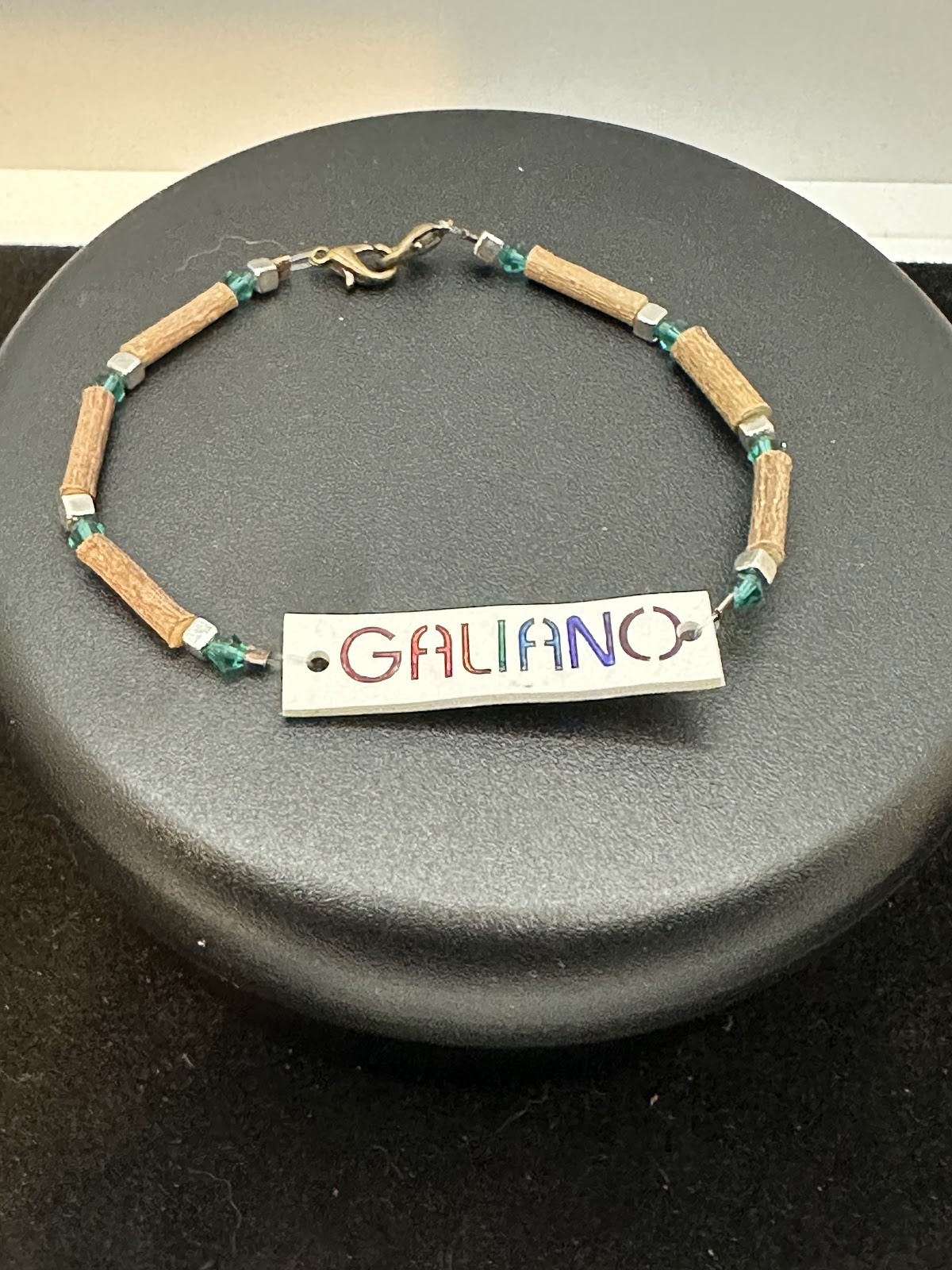
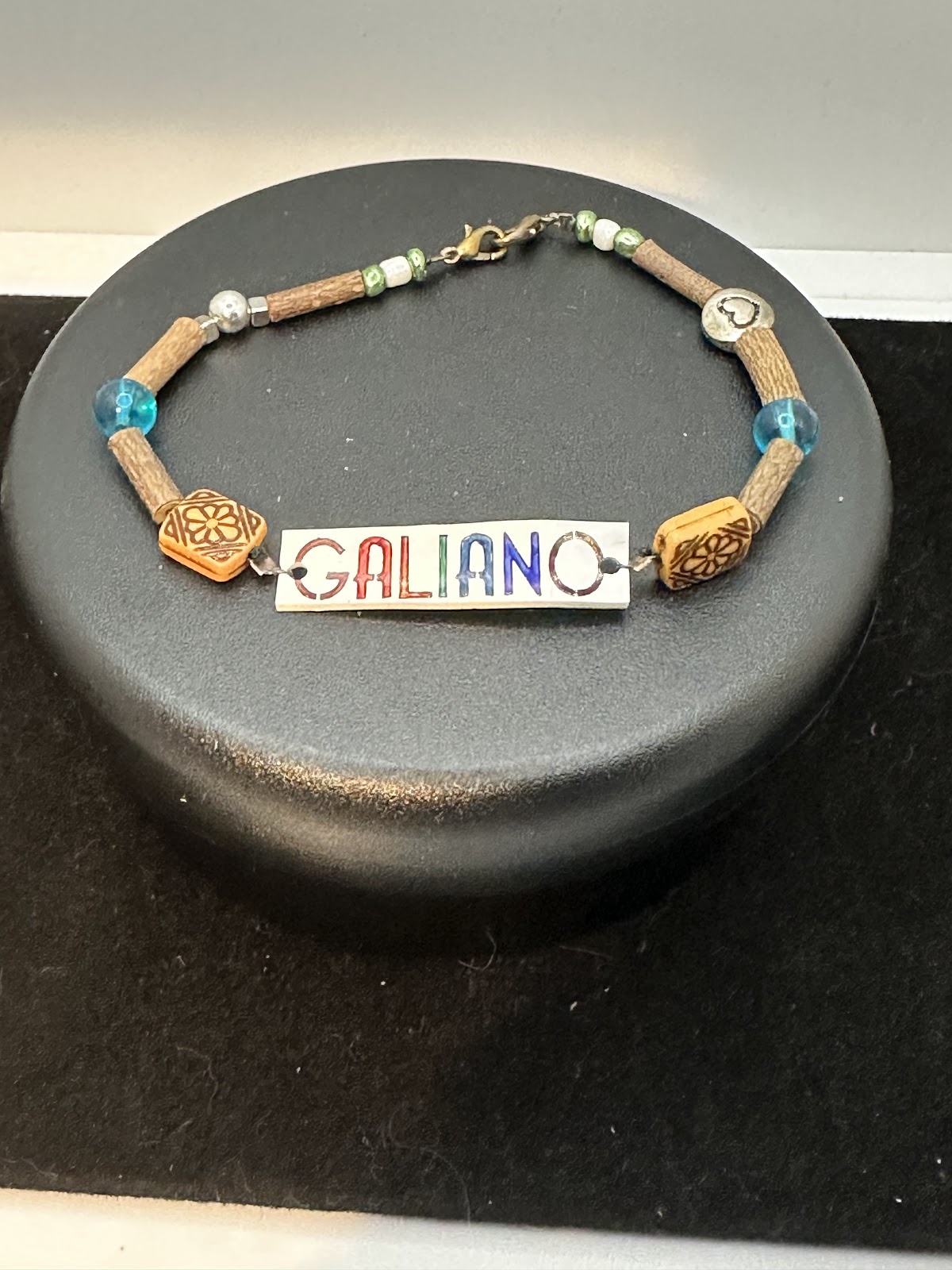
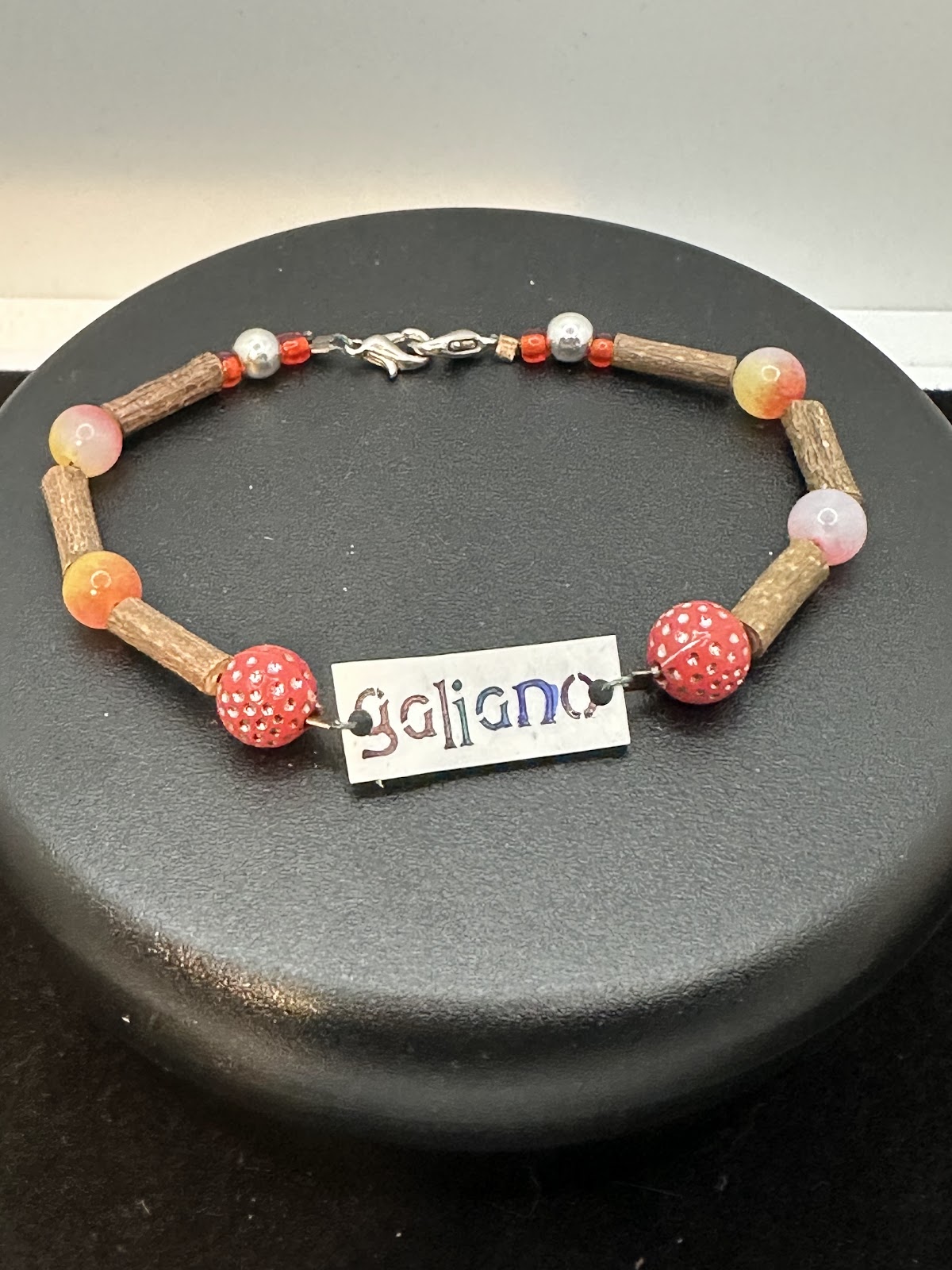
Hazelwood Bead "Galiano" Bracelets - Available Soon!

This summer my mother-in-law Val and I got out my jewelry making and beading supplies, specifically my Hazelwood beads, and we began making bracelets, mixing the Hazelwood beads with other beads I have collected over the years. When the kids were in elementary school I made and sold them, and all that stuff got packed up when we moved here. In going through things I came across some of my old craft supplies and I decided to keep all my beading stuff out. Val and I then started making bracelets. 


We took these bracelets even further and made them a Galiano keepsake when I came across the kids old Shrinky Dinks plastic sheets. Val and I started making custom tags for the bracelets that say “Galiano”. We are using the kids’ Shrinky Dinks, my lettering stencils I use for bullet journaling, and my alcohol markers, to create the custom bracelet tags. 


Hazelwood bead jewelry is believed to offer alkaline benefits through direct contact with the skin. It is suggested that the wood absorbs excess acidity from the body, creating a more alkaline environment. This shift in pH balance is thought to help alleviate various health issues associated with acidity, such as acid reflux, heartburn, skin conditions like eczema, and inflammation like arthritis. While scientific evidence supporting these claims is limited, anecdotal reports and traditional practices suggest potential benefits of hazel wood jewelry in promoting a balanced internal environment.


Beyond potential alkaline benefits, Hazelwood bead jewelry is also associated with a range of other purported health advantages. It is believed to have anti-inflammatory properties, helping to reduce swelling and discomfort. Some proponents suggest it can enhance immunity and boost energy levels. Hazelwood is also traditionally used to soothe teething pain in infants, potentially due to its mild astringent qualities. Additionally, wearing Hazelwood jewelry is sometimes linked to improved circulation and a sense of overall well-being. While further research is needed to validate these claims as well, the potential benefits of hazel wood beads extend beyond pH balance, offering a holistic approach to wellness.


I’ve worn Hazelwood bead bracelets off and on over the years, and right now have a necklace that I’m wearing. I’ve noticed that I have more energy, the arthritis in my hands is less painful, and I don’t get heartburn as easily, when I wear either a bracelet or necklace. 


Rediscovering my passion for crafting Hazelwood bead bracelets with my mother-in-law has been a lot of fun. Not only has it allowed us to create beautiful, personalized pieces that connect us to our home on Galiano, but it has also rekindled my appreciation for the potential holistic benefits of Hazelwood. Whether it's the subtle energy boost, the reduced joint discomfort, or the improved digestion, the positive impact I've experienced while wearing these pieces is noticeable. Though science may still be catching up, the combination of tradition, personal experience, and the simple joy of crafting make Hazelwood bead jewelry a memorable part of my wellness journey.


#meredithhutton79, #chronicpain, #complexpain, #invisibledisability, #ComplexRegionalPainSyndrome, #CRPS, #depression, #anxiety, #PostTraumaticStressDisorder, #PTSD, #selfcare, #painwarrior, #spoontheory, #spoonie, #pain, #back pain, #neuropathicpain, #painmanagement, #SuicideDisease, #GalianoIsland, #Galiano, #HandMade, #Homemade

Thursday, September 19, 2024

What I Learned From Watching The Disney Pixar Movie, Cars

Cars is one of my all-time most-liked Disney Pixar movies I watched with the kids when they were young. It was a favourite of theirs and we watched it a lot. Sometimes more than once in a day. Unfortunately I had my accidents when the kids were toddlers and that meant that we watched TV more than we would have had I not had the accidents. 


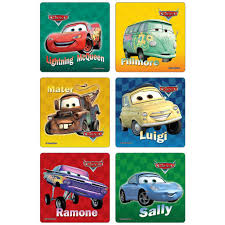
For a time we lived and breathed Cars. Rhys’ room was Cars’ theme, including a bed skirt and curtains I sewed and a quilt my mother-in-law lovingly made. His walls were painted grey with horizontal yellow road lines and I placed wall decals of the Cars characters “racing” across his wall. We also collected the die cast cars from the movie, and would play with them on a city scape play mat. I even got out my glue gun and made a multi level parking garage out of recycled cardboard and racing ramps to race the cars down the hallway. We had a lot of fun with this movie and I have such fond memories of watching and playing pretend Cars with the kids.


Last year when I was really struggling I needed to find things that brought me comfort. Things I could do that didn’t require a lot of thinking. I needed activities that were calming and comforting and that got me out of my head. One of the things I found myself doing was watching some of the older Disney Pixar movies that were popular when my kids were little. The bright and cheerful colours, kind messages and fun storylines were something I could watch that gave me a bit of an escape from the pain and distress I was feeling. There were no complicated plots to follow, or things that could trigger me and I enjoyed choosing which movie to watch.


Yesterday I found myself needing a little of that comfort, and thought a kids’ movie might help, so I turned on Disney Plus and after a short time browsing, picked Cars, even though I’ve probably seen it over 100 times. I enjoyed the trip down memory lane and the movie’s positive messages on sportsmanship, teamwork and friendship left me feeling cheerful and in a lighter mood. 


Cars came out in 2006, before my accidents, and something interesting I noticed this time around watching the movie, is that I saw it and related to it through a different set of eyes. I’m not the same person I was 18 years ago, and even after my accidents, I’m not the same person that I was earlier in my chronic pain journey. Because of my experiences, and years long struggle with chronic pain and mental health issues, I noticed different themes in the movie that I don’t remember noticing years ago.


Cars is the story of a talented rookie race car named Lightning McQueen who is so focused on winning races and being the best, that he lacks the humility and empathy needed to be a friend. He’s self absorbed and so into himself he thinks he can do it all on his own. That he doesn’t need anybody. 


Lightning’s racing career is threatened when he accidentally ends up in Radiator Springs, a small town off Route 66, that used to be a popular destination back in the day. Lightning is trying to find his way to the racetrack for the Piston Cup, and in the process he damages property in Radiator Springs. He is arrested and forced to repair the damages before he can leave. 


In repairing the damage, Lightning learns valuable lessons he wasn’t expecting. For the first time in his life he experiences what it means to have true friends and be a part of a community. As he fixes up the town and gets to know its residents, he learns how to be a friend. He also learns that winning isn’t everything and that there are still things about racing that he can learn, he doesn’t know it all. That there is more to life than coming in first place. 


Lightning’s story is a tale of self-discovery, community, and the importance of taking life’s curves with a sense of humor. Through Lightning’s transformation, we see the power of that humility and empathy in shaping our relationships and finding true fulfillment in our lives. 


Watching so many years later, it was like seeing an old and familiar friend, only you’ve both grown personally, and learned many of life’s lessons, so see each other through those eyes. Your perception is through those lenses, and you notice and learn different things on a deeper level because of that.


As the characters of Radiator Springs were introduced, and I got to know them, I realized I was seeing the movie through a different set of eyes. I was watching through the eyes that have lived a life of physical and mental pain and because of that I see things differently and on a more personal level. Radiator Springs is a perfect caricature of a small, run down, western American town, with its eccentric characters amidst the beautiful landscape.


One of my favourite characters in Cars is Mater, the lovable tow truck with an eccentric down to earth charm and unique taste in automotive decor. He wears his rust and dents well. Throughout the movie Mater reminds us that it’s not what you look like that matters, it’s what’s in your heart. It’s how you treat others and making memories with the people we embrace into our lives that make life meaningful. 


Mater also teaches us about the meaning of friendship with his unwavering loyalty and kindness to the townsfolk and Lightning. His quirky antics are also a humorous but valuable reminder of the importance of celebrating and embracing our quirks and treasuring the connections we share with others. This is one of the most valuable lessons I have learned in life. I’m kind of a square peg trying to fit in a round hole and I’ve learned to celebrate that. It’s what helps inspire me as an artist and now writer. I have many quirks, many of them OCD driven, and instead of putting myself down for being a little quirky, I embrace it and use it to my advantage.


One of the things I’ve learned since my accidents in 2008 and 2009, is that having personal relationships that mean something with the people that matter to me is very important. I don’t work outside the home, and due to my physical and mental health I don’t get out much, so my family and close friends mean a lot to me, and I have forged close and meaningful relationships with all of them. In having them as part of my support system, it means that I have people I can turn to in my lowest of lows, and they will be there for me. The mutual and unconditional loyalty, compassion and kindness we show each other, and really listening to what the other person has to say, without judgment, has been life saving. I honestly do not know if I would still be here today if it weren’t for my family and friends. Complex Regional Pain Syndrome (CRPS) is also known as the “Suicide Disease”, and I can see how someone could end up in that mental place without some sort of emotional support and encouragement. It’s hard even with the support of loved ones.


What I noticed this time watching Cars, is that it touches on deeper meaning themes, like heritage, identity and the importance of embracing diversity. The interactions with the often colourful residents of Radiator Springs remind us that the richness in life comes from celebrating and embracing our differences and quirks and forging genuine and honest connections with others. 


Doc Hudson is a good example, with his past as a legendary and gifted racer, providing us with valuable lessons about the importance of honoring our history while also embracing change and progress. In a world that often values conformity over individuality, Cars challenges us to embrace our unique identities and appreciate the beauty of our collective landscape. Some of my best friendships came out of being in the right place at the right time. My bestie, Allison, and I met because she needed help with her new iPhone, and my husband said I’d had one for quite some time and offered for me to help. We instantly connected and here we are almost 15 years later. Another friendship I value immensely is with someone I used to work with in the 1990’s. Both our lives took us here, and my first day at the school here we bumped into each other, and our friendship began. 


Today’s world is obsessed with speed and success and everything needing to be done instantaneously. It seems like as technology advances, we get less patient and more stimulation. We can send info instantaneously, so why shouldn’t we also get a response instantaneously? In that mindset we often forget to slow down, be present and mindful in life situations, and appreciate the journey we are on. 


Lightning learns this from Sally, a Porche who used to be a fast paced lawyer. Much like Sally, I too needed to find somewhere away from the city that meant I could live my life at a slower pace and without being bombarded by constant stimulation. Sally learns from the other colourful cars in Radiator Springs that there is value in slowing down and just taking a drive once in a while. One of the things I really can relate to is the value I have experienced in taking the scenic route and living slower paced life, in a quieter and more relaxing setting. I moved here full time with the kids in the summer of 2017, and it took some time adjusting to the slower pace, often referred to as “Island Time”, but eventually I adjusted, and now am a full-on islander.


I can also relate a lot to the character Doc Hudson, who due to an accident, was unable to “work” again as a race car. Like me, he too lost everything he’d worked for in a matter of seconds, and that kind of trauma and loss takes a while to process and move on from. It is something that is very hard to accept. We see Doc begin to heal when he comes around and becomes Lightning’s crew chief for the Piston Cup. Much like Doc, it took me a long time to process the losses I felt after my accidents, and still feel, and it was finding my passion for arts and crafts again that helped me cope and begin to heal.


One of my favourite things about Cars is watching Lightning make this total personal transformation over the course of the movie. You see his transformation come full circle in the Piston Cup, when Lightning is leading the race with 1 lap to go, and Strip “The King” Weathers crashes and is unable to finish the race on his own. Instead of winning the Piston Cup, Lightning goes over to The King and pushes him over the finish line, so that Strip could finish his last race. A true act of sportsmanship and where we see how much Lightning has grown in his short time in Radiator Springs. A true winner!


"Cars" has been a cherished part of my life, offering comfort, nostalgia, and valuable lessons. As I've grown and faced challenges, my perspective on the film has evolved, revealing deeper themes that resonate with my experiences. Through Lightning's journey, I've learned the importance of humility, empathy, and building meaningful connections. The characters of Radiator Springs have taught me valuable lessons about friendship, diversity, and finding purpose in life. As I continue to navigate my own journey, "Cars" remains a constant reminder of the power of resilience, the value of human connection, and the beauty of embracing life's twists and turns.


#meredithhutton79, #chronicpain, #complexpain, #invisibledisability, #ComplexRegionalPainSyndrome, #CRPS, #depression, #anxiety, #PostTraumaticStressDisorder, #PTSD, #selfcare, #painwarrior, #spoontheory, #spoonie, #pain, #back pain, #neuropathicpain, #painmanagement, #SuicideDisease, #GalianoIsland, #Galiano, #Disney, #Pixar, #Cars, #Lightning McQueen, #Doc Hudson